SEO

How I Ended Up Founding SidekickBee SEO & Website Design

How I Ended Up Founding SidekickBee: SEO & Website Design

People often ask me how I shifted from being a licensed Electrical Engineer to becoming an SEO Specialist and Website Designer. The short answer? Curiosity, boredom, timing—and a brain that refuses to rest. The long answer? Well, story time.   From Board Exams to Boredom Sixteen years ago, right after graduating, I immediately took the board exams and passed both as an Electrical Engineer and a Master Electrician in the Philippines. When the results came out, I went back to my hometown in Northern Samar to rest, celebrate, and yes, drink for about two weeks haha. But after that short break, reality slowly started to sink in. Most of my friends were already asking, “Have you applied for work yet?” So I went back to Manila. I landed a job almost immediately. On paper, everything looked perfect. I had the license, the title, and the job. But honestly, I was not ready yet. Two weeks of rest after such a major milestone did not feel like enough. Two months into the job, I was already bored. The truth is, I did not really have big dreams back then. I did not have a grand vision of success. I just wanted to be happy in life. After I passed the board exams, I kept asking myself, “What’s next?” I had achieved the goal I set for myself, but I did not know what to pursue after that.   Discovering Online Work  Out of boredom and, of course, with only a few pesos in my wallet, I started looking for online work. Back then, remote jobs were not really a “thing.” Most people thought working online was either fake or a straight-up scam. One day, I saw a post from a Greek company looking for help with a Civil Engineering thesis. I bid on the project, and surprisingly, I got it. I worked on it for two weeks, submitted it, and got paid. That moment changed everything. I realized that I could make money by writing and that I was earning more than my current salary as an engineer. Soon after, I started taking on business papers and research projects. This was way before ChatGPT, and online resources were limited. Every project required real, thorough research. It was time-consuming, but it built my discipline and strengthened my writing foundation.   My First Taste of SEO A few months later, I landed my first SEO content writing projects for agencies. That was when I unknowingly started building my SEO career. From writing SEO articles, I became curious about: How rankings work Link juice and authority Keywords, optimization, and algorithms I didn’t just write—I studied. At that time, many Western clients were not yet familiar with Asian professionals, so I partnered with more established team members to secure projects. I have always believed that perception and familiarity play a major role in building trust. People naturally trust those they know or feel closer to, rather than someone living far away. I experienced this firsthand as a Filipino working in Singapore for seven years. For example, a Filipino client would often feel more comfortable—and sometimes even secure a better deal—working with another Filipino. This was one of the practical insights I shared with my juniors during my time in the construction industry in Singapore. I also noticed that if the main contractor was from Myanmar, it was often more effective to assign a Myanmar team member to handle negotiations. Cultural connection and familiarity truly matter in business. Yes, I was managing two full-time roles at the same time. How did I do it? I was young, driven, and constantly thinking. During the day, I worked as an Electrical Engineer, handling the technical and on-site demands of construction projects. At night, I put on my SEO cape and stepped into the world of digital marketing. Digital marketing became my creative and intellectual outlet from the physically demanding and high-pressure environment of engineering. While electrical engineering challenged me technically and required precision, digital marketing  challenged my strategy, creativity, and analytical thinking in a completely different way. Digital marketing became my outlet from the physically demanding and stressful construction work, a field dominated by testosterone.  I loved the contrast. One built structures in the physical world; the other built visibility and influence in the digital world. Both careers shaped how I think today—combining technical discipline with strategic marketing insight.  Singapore, Lay Low, but Never Stop When I moved to Singapore to work as a full-time Electrical Engineer, I had to slow down, but I did not stop. I maintained three digital marketing clients while working abroad. After almost seven years, it was time for me to go back home. I officially retired—at least mentally—as an Electrical Engineer. I joked about becoming a hermit crab, but in reality, I wanted to do something different. I felt that I was no longer growing professionally. I had been part of more projects than I wanted—SEA Games, schools, mixed-use developments, factories and plants, airport. The career ladder was full, and I realized it was time to move on and start a family. As my mom said, I was already getting old.   From Engineer to Entrepreneur (and Everything in Between) I ventured into businesses. That experience taught me a lot—but it also taught me how incredibly hard the food industry is. On top of that, pregnancy forced me to slow down physically. I couldn’t keep up with demanding physical work anymore. That’s when everything became clear.   Choosing Digital Marketing After a year, I decided to go full-time in digital marketing, not just as a freelancer but as a business. That decision gave birth to SidekickBee. This time, I was not doing SEO and web design as a side hustle or an outlet. I was building something intentional, something sustainable, flexible, and aligned with the life I wanted.   Looking Back From Electrical Engineering to SEO, from construction sites to Google rankings, my journey was never linear, but every step mattered.


In the World Where Everyone Can Seem to Be an Expert, Where Do You Stand

In the World Where Everyone Can Seem to Be an Expert, Where Do You Stand?

In the world where everyone can seem to be an expert of something without even knowing, where do you stand? Every scroll through social media is filled with people calling themselves digital strategists, SEO specialists, or website designers. It’s easy to claim expertise — but true mastery takes years of learning, testing, failing, and refining.   When Everyone’s an “Expert,” Who’s Actually Real? In today’s digital landscape, nearly everyone seems to be selling something — courses, templates, strategies, or even just their personal brand. Credentials have become optional.Proof? Not always required.All it takes is confidence — or the illusion of it. And that illusion? It’s compelling, but fragile. What stands out now isn’t volume, hype, or showmanship. It’s quiet confidence backed by real experience. There’s a noticeable difference between someone trying to impress… and someone who simply knows what they’re doing. The latter doesn’t need to perform. They don’t try to outshine others. They show up with clarity, consistency, and credibility — and that speaks louder than any headline ever could. Being a Real Expert Isn’t Flashy — But It’s Powerful Here’s what I’ve learned: You don’t need 10,000 followers to build credibility. You don’t need to brand yourself as a “guru” to create value. You don’t need to perform expertise — you need to live it. Real experts don’t need applause.They need alignment. They build things that last — not just things that get liked.They serve before they sell.They speak when they have something to say — not just because the algorithm told them to. So… Where Do You Stand? If you’ve ever felt invisible in the noise — know this:Your quiet truth is more powerful than someone else’s loud performance. Your value isn’t in your follower count.It’s in your integrity. Your work. Your way of seeing the world. The world doesn’t need more experts.It needs more people who actually care about the craft.People who choose depth over display. People like you. At SidekickBee, we don’t just call ourselves experts — we earn it, daily. Digital marketing isn’t static; algorithms change, design trends evolve, and what drives traffic today might be irrelevant next month. That’s why we stand on continuous learning, data-driven strategies, and genuine curiosity about what makes brands grow online. We don’t chase shortcuts. We build foundations — strong, optimized, and designed to last. Where do we stand? With strategy, not guesswork.With clarity, not noise.With progress, not perfection. Because in this ever-changing digital world, real experts don’t stop learning — they adapt, evolve, and keep showing up with purpose. That’s the SidekickBee way — quietly building, constantly improving, and creating results that speak louder than any title ever could.

Is SEO Really Dying in 2025 The Truth About Its Importance for Your Business

Is SEO Dead in 2025? The Truth About Its Importance for Your Business

Since I started in SEO in 2008, almost every year, there’s a claim that SEO is dead. Every single time, the same headline pops up: “SEO is dead.” And yet, year after year, search engine optimization rises from the ashes, stronger and more relevant than ever. Now, in 2025, the rumors still persist. But the truth is clear: SEO is not dead. In fact, it’s more critical than ever. But why does this statement keep resurfacing? And why do businesses still need SEO in 2025? The answers lie in a mix of evolving technology and the undeniable power of search engines. Let’s plunge into it. The “SEO is Dead” Myth The idea that “SEO is dead” isn’t just a statement—it’s a psychological trick, a narrative designed to tap into some of our deepest emotions: fear, uncertainty, and doubt. Here’s how it works: Fear of Missing Out (FOMO) When someone declares SEO dead, they often push businesses toward newer, trendier (and often more expensive) marketing strategies. The fear of being left behind drives companies to abandon SEO prematurely. It’s an effective tactic because no one wants to be the one still using “outdated” strategies while everyone else moves ahead. Overwhelm and Confusion Let’s face it: SEO can be complicated. It’s constantly evolving, and keeping up with all the changes can feel overwhelming. Declaring SEO dead simplifies the narrative. But this also discourages businesses from committing to a strategy that takes time, expertise, and consistency to work. It’s easier to believe in the quick fixes of paid ads or flashy social media campaigns. The Allure of Quick Fixes The myth of SEO’s demise often comes with the promise of simpler, quicker alternatives—paid ads, social media, or influencer partnerships. While these tactics certainly have their place, they’re short-term solutions. They offer quick returns but don’t build the long-lasting, cost-effective traffic that SEO does. The allure of instant results often blinds companies to the enduring power of organic search. Confirmation Bias Finally, businesses that struggle with SEO are often quick to adopt the “SEO is dead” mentality. After all, if it’s not working for them, it must be obsolete, right? This confirmation bias makes it easier for the myth to spread, even as other companies thrive with SEO. The truth? SEO is not dead—it’s evolving, and in 2025, it’s more powerful than ever. Why SEO is Still Essential in 2025 Search Engines Are Still King Despite the rise of social media, AI platforms, and other emerging technologies, Google and other search engines continue to be the #1 source of information for consumers. In 2025, people still turn to search engines to find answers, products, and services. If your business isn’t optimizing for search, you’re missing out on a massive audience. AI and SEO Go Hand in Hand Artificial intelligence has undoubtedly transformed SEO, but it hasn’t replaced it. Tools like ChatGPT and Google’s AI-powered algorithms have made search more intuitive, but they still rely on high-quality, optimized content. In 2025, SEO isn’t about fighting against AI—it’s about understanding how AI interprets and ranks your content, and how you can work with these algorithms to get noticed. Voice Search is Booming With the explosion of smart speakers and voice assistants, voice search optimization has become essential. People are using more natural, conversational language in their searches. SEO is what helps you align your content with these queries and ensures that your website shows up in voice searches. E-A-T is More Important Than Ever In 2025, businesses that invest in SEO are seen as more credible and reliable—giving them a significant competitive edge. SEO Drives Long-Term Results Unlike paid ads, which stop delivering results the moment you stop paying, SEO builds lasting value. A well-optimized website will continue to attract traffic and generate leads long after your initial investment. The benefits of SEO compound over time, creating a solid foundation for long-term growth. SEO in 2025 While SEO remains alive and well, there’s a darker side to its evolution. In 2025, the competition is fiercer, and the tactics are more sophisticated. Here’s what you need to watch out for: Black Hat SEO Tactics Some businesses still resort to unethical practices like keyword stuffing, cloaking, and buying backlinks. While these tactics may yield short-term results, they can lead to penalties from Google and long-term damage to your online presence. Stay ethical in your approach and focus on building sustainable strategies. Algorithm Anxiety With Google’s algorithms becoming more advanced, updates can feel unpredictable. This creates anxiety for businesses who worry that their website rankings will fluctuate. The key, however, is to focus on user experience and quality content—not try to outsmart the system. Google’s goal is to provide the best possible results for users, so aligning with that mission will help you stay on top. The Myth of “Quick SEO Results” and SEO as a One-Time Thing Even now, many business owners who don’t fully understand SEO still believe it’s a one-time thing. They think they can implement SEO once and then just leave it alone. Similarly, once their website ranks high on search engines, they often assume they’ll stay there forever. However, the reality is that SEO requires time, ongoing effort, and consistent updates. The myth of “quick SEO results” persists, but businesses that fall for the illusion of overnight success often give up too soon, missing out on the long-term rewards SEO can bring. SEO isn’t something you can “set and forget.” It’s an ongoing strategy that needs continuous attention to adapt to changes in search engine algorithms, industry trends, and your audience’s evolving needs. Even after reaching a high ranking, you must keep optimizing and improving your site to maintain that position, as competitors are constantly working to overtake you. Patience, persistence, and regular updates are key to seeing the true value and results that SEO can offer over time. Stick with it, and the long-term benefits will speak for themselves. The Rise of AI-Generated Content While AI has made it easier to produce

How Blogging Helped Increase Search Engine Traffic

How Blogging Helped Increase Search Engine Traffic

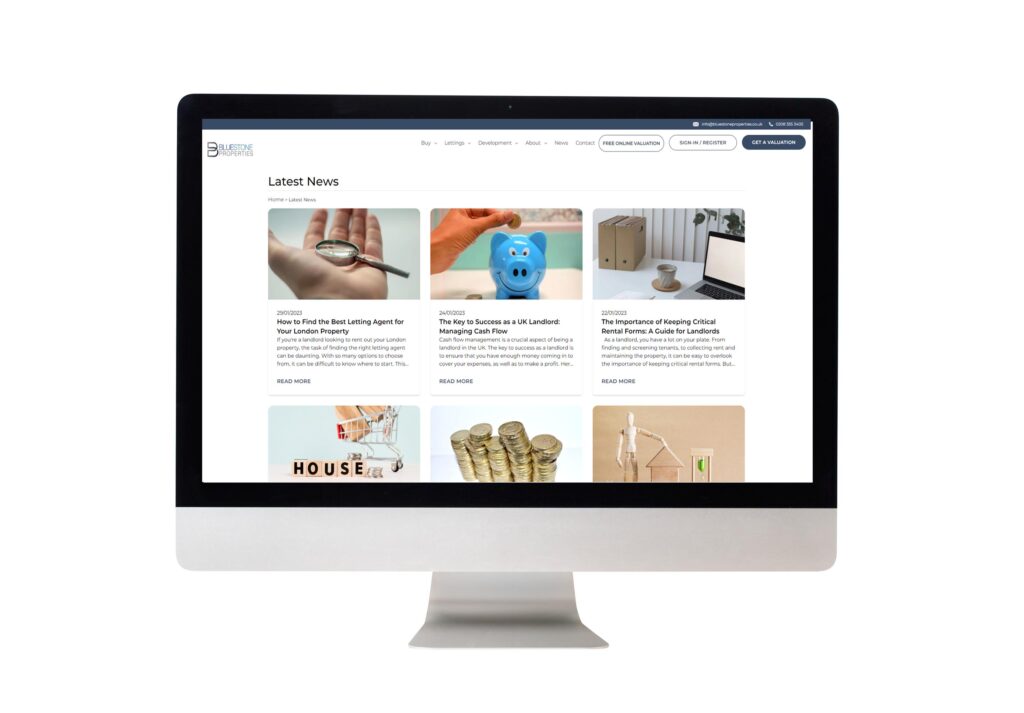
BP is a UK-based real estate company that wanted to improve its website’s visibility and attract more traffic from search engines. To achieve this, they decided to implement a blog and publish one or two articles per week.   Methodology We optimized the company’s blog for search engines by using relevant keywords, meta descriptions, and header tags. The articles were well-researched and covered topics that were relevant to the company’s target audience, such as home buying tips, local market trends, letting advice, and property maintenance advice.   Results After six months of implementing the blog and publishing articles regularly, BP saw a significant increase in organic search traffic. The number of website visitors from search engines grew by 40% compared to the previous six months. Additionally, the blog helped the company establish itself as a trusted source of information in the real estate industry and improve its website’s overall search engine ranking.   Conclusion Blogging is a proven and effective way to attract more traffic from search engines. By publishing high-quality, relevant articles on a regular basis, BP was able to improve its website’s visibility, establish itself as an authority in the real estate industry, and ultimately drive more organic traffic to its website.   SidekickBee Boost your online presence with Sidekickbee’s affordable search engine optimization (SEO) services. Dominate the search rankings and drive targeted traffic to your website. Supercharge your business with SidekickBee today!  

local seo success story Arizona

A Success Story of Local SEO and Social Media Marketing

DSU is a start-up clinic located in Arizona, providing state-of-the-art urology services to patients.  The website was facing several challenges in terms of low brand awareness and a poorly optimized website with a significant amount of duplicate content, which were hindering its growth. The objective of the case study was to increase brand awareness and improve website optimization through local SEO and social media marketing.   Methodology To achieve the objective, the following methods were applied: Local SEO The local SEO strategy was focused on optimizing the clinic’s Google My Business listing, keyword research and implementation, and creating and claiming local directories and citations. The goal was to increase the clinic’s visibility in local search results and attract more local patients.   Social Media Marketing We leveraged social media platforms such as Facebook, Instagram, and Twitter to increase brand awareness and engage with patients. The clinic created and posted relevant and educational content, monitored audience engagement, and responded to inquiries in a timely manner.   Website Optimization The clinic’s website was transformed from a poorly designed site with significant amounts of duplicate content to a modern and professional-looking website with unique and engaging content. The website was optimized to improve user experience and make it mobile-friendly.   Results The local SEO and social media marketing efforts paid off as DS saw a significant improvement in several key areas: Increased website traffic: The clinic’s website saw a significant increase in traffic, which helped attract more patients and increase brand awareness. Improved search engine visibility and rankings: The clinic’s visibility in local search results improved. The website appears in the first page of the search engine for several low competition and high keywords leading to a more traffic from search engines. Increased brand awareness and online reputation: The clinic’s social media presence helped increase brand awareness and build a positive online reputation. Increased patient engagement and inquiries: The clinic’s social media and website optimization efforts led to increased engagement and inquiries from patients, helping to grow the business.   Conclusion DSU’s success demonstrates the power of combining local SEO, social media marketing, and website optimization to increase brand awareness and attract more patients. By overcoming the challenge of limited online presence and implementing these strategies, the clinic was able to enhance its website, boost its online visibility, and grow its business. This case study highlights the impact that effective online marketing can have on a start-up clinic’s success, especially when the brand name alone gathers 600 to 1000 searches per month.